Beyond Compliance, Grow Sustainably.
Beyond Compliance, Grow Sustainably.
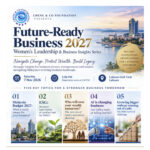
Key Topics & Business Insights
Navigate Change. Protect Wealth. Build Legacy.
Budget 2027
What Does It Mean for Your Business?
ESG
Business Opportunity or Additional Cost for SMEs?
Wealth & Succession Planning
Who Will Own Your Wealth Tomorrow?
AI in Business
Are SMEs Ready or Falling Behind?
Growth & Cash Flow
How to Grow Without Running Out of Cash?
Secure Your Place Today
Enquiries & Contact Information
For event enquiries or registration assistance, please contact:
Jesse
Head of Department, Global Business Solutions
+6013-872 2260
Tina
Head of Department, Secretarial
+6016-826 2412
Ms Tay
Branch Director
+6012-673 4066
Key Takeaways
Our Speakers

Lam Kwai Soon
Group Managing Director l Cheng & Co Group
CA(M), FCCA, ACTIM, CFP
Lam Kwai Soon is a seasoned tax professional with nearly two decades of experience at Cheng & Co Group. With extensive knowledge of the Malaysian taxation system, he advises businesses on complex tax and strategic matters.
His key areas of expertise include transfer pricing, corporate restructuring, tax incentives, mergers & acquisitions (M&A), tax audits and tax investigations.
A member of the Malaysian Institute of Accountants (MIA) and the Association of Chartered Certified Accountants (ACCA), he also holds an MBA and is a Certified Financial Planner.
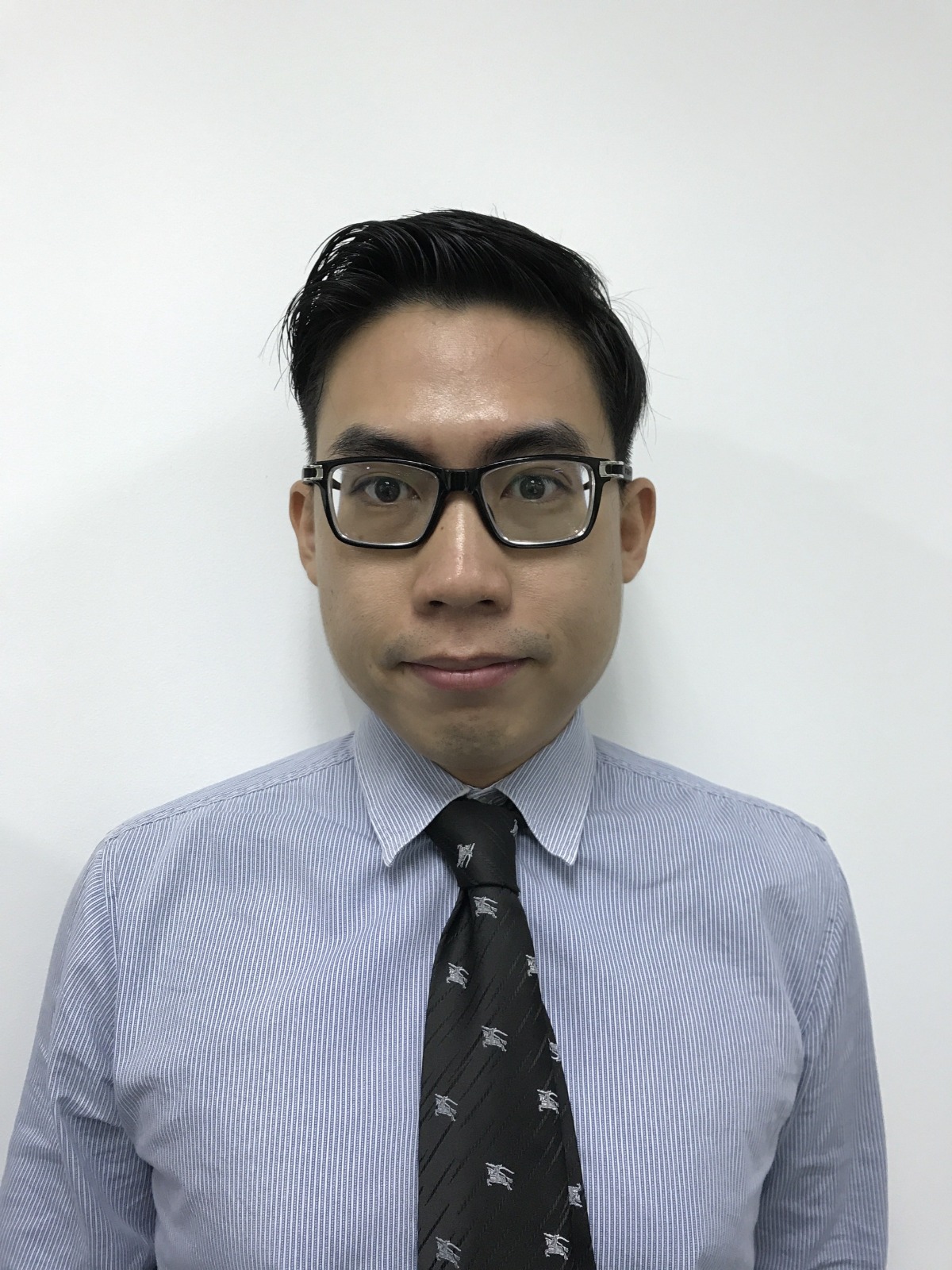
Foo Jong Han
Manager of Consultancy Division l Cheng & Co Group
Foo Jong Han brings over 10 years of experience in risk management, internal audit and enterprise risk advisory, with exposure across banking, pharmaceuticals, energy and professional services.
His expertise includes enterprise risk management, regulatory compliance, internal controls and third-party governance. He has led cross-border audits and risk assessments across APAC, EMEA and the Americas, providing him with extensive international and cross-industry experience.
A graduate of the University of Canberra with a Bachelor of Commerce (Accounting), he brings a strong risk and governance perspective to helping businesses strengthen their foundations for sustainable growth and business readiness.
Download the Slides
Access the presentation slides from our Budget 2027 webinar for practical insights to support your business planning.
Frequently Asked Questions
This session is ideal for business owners, CEOs, CFOs, finance professionals, senior management, and corporate decision-makers seeking to understand the impact of Budget 2027, navigate key tax developments, and explore opportunities in ESG, green financing, and Pre-IPO growth.
Limited seats are available — secure your spot before registration on October 23, 2026.
The event is at Cheng & Co Group, Ipoh Branch (No B-2-2, Tingkat 2, Intan Business Centre 2,
Lebuh Medan Ipoh, Bandar Baru Medan, 31400 Ipoh, Perak.).
For any inquiries, feel free to reach out via:
WhatsApp:
Ooi Ai Wei (+60 16-564 5563)
Cheng & Co Group Business Hotline (+60 3-2935 9606)
Email: enquiry@chengco.com.my

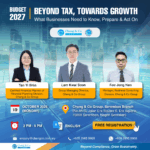
Budget 2027: Beyond Tax, Towards Growth
What Businesses Need to Know, Prepare & Act On
Gain practical insights into Budget 2027, tax implications and growth opportunities to help your business prepare for what’s next.
2 CE Points for FPAM Members
24 October 2026
(Saturday)
10am – 12.30pm
Zoom Webinar
English
Key Takeaways
Our Speakers
Lam Kwai Soon
Group Managing Director l Cheng & Co Group
CA(M), FCCA, ACTIM, CFP
Lam Kwai Soon is a seasoned tax professional with nearly two decades of experience at Cheng & Co Group. With extensive knowledge of the Malaysian taxation system, he advises businesses on complex tax and strategic matters.
His key areas of expertise include transfer pricing, corporate restructuring, tax incentives, mergers & acquisitions (M&A), tax audits and tax investigations.
A member of the Malaysian Institute of Accountants (MIA) and the Association of Chartered Certified Accountants (ACCA), he also holds an MBA and is a Certified Financial Planner.
Foo Jong Han
Manager of Consultancy Division l Cheng & Co Group
Foo Jong Han brings over 10 years of experience in risk management, internal audit and enterprise risk advisory, with exposure across banking, pharmaceuticals, energy and professional services.
His expertise includes enterprise risk management, regulatory compliance, internal controls and third-party governance. He has led cross-border audits and risk assessments across APAC, EMEA and the Americas, providing him with extensive international and cross-industry experience.
A graduate of the University of Canberra with a Bachelor of Commerce (Accounting), he brings a strong risk and governance perspective to helping businesses strengthen their foundations for sustainable growth and business readiness.
Download the Slides
Access the presentation slides from our Budget 2027 webinar for practical insights to support your business planning.
Frequently Asked Questions
This session is ideal for business owners, CEOs, CFOs, finance professionals, senior management, and corporate decision-makers seeking to understand the impact of Budget 2027, navigate key tax developments, and explore opportunities in ESG, green financing, and Pre-IPO growth.
Limited seats are available — secure your spot before registration on October 23, 2026.
The event is happening virtually on Zoom.
For any inquiries, feel free to reach out via:
WhatsApp: Cheng & Co Group Business Hotline (+60 3-2935 9606)
Email: enquiry@chengco.com.my

2027年财政预算案:不止税务,更看增长
掌握新变化 · 做好新准备 · 抓住新机遇
深入掌握2027年财政预算案、税务影响及增长机遇,助您的企业为下一阶段发展做好准备。
2026年10月23日
(星期五)
9.30am – 1pm
登嘉楼中华总商会4楼礼堂
中文
主题讨论和见解
主讲嘉宾

陈奕心女士
诚国集团财富管理部门
财务规划师
陈奕心女士是诚国集团财富管理部门的财务规划师。她自2018年6月加入诚国集团,在财富管理部门服务已有六年。她毕业于会计与金融学荣誉学士学位。
她持有多个专业资格证书,包括由马来西亚财务规划协会 (FPAM) 颁发的注册财务规划师 (CFP) 资格证书、马来西亚基金经理协会 (FIMM) 授权的单位信托顾问 (UTC) 和私人退休计划顾问 (PRC) 资格证书、马来西亚证券委员会 (SC) 颁发的资本市场服务代表许可证 (CMSRL) ,以及由马来西亚国家银行 (BNM) 批准的财务顾问代表 (FAR) 资格。
林贵顺先生
诚国集团
集团董事总经理
林贵顺先生拥有近20年的税务专业经验,长期为企业提供马来西亚税务及商业策略方面的专业咨询。
他的专业领域涵盖转让定价、企业重组、税务优惠、企业并购 (M&A)、税务审计及税务调查等。
他是马来西亚会计师公会 (MIA) 及英国特许公认会计师公会 (ACCA) 会员,并持有工商管理硕士 (MBA) 及注册财务规划师 (CFP) 专业资格。
符涌汉先生
诚国集团
商业咨询部经理
符涌汉先生拥有超过10年的风险管理、内部审计及企业风险咨询经验,曾涉足银行、制药、能源及专业服务等多个行业。
他的专业领域涵盖企业风险管理、法规合规、内部控制及第三方治理,并曾主导亚太区 (APAC) 、欧洲、中东及非洲 (EMEA) 以及美洲地区的跨境审计与风险评估,具备丰富的国际及跨行业经验。
他毕业于澳大利亚堪培拉大学,持有商学学士 (会计) 学位,并凭借其风险管理与企业治理方面的专业经验,协助企业强化营运基础,为可持续增长及未来发展做好准备。
下载研讨会简报
获取 2027年财政预算案线上研讨会 的简报内容,掌握实用资讯与重点分析,为您的企业规划提供参考与支持。
常见问题
本活动适合企业主、创业者、CEO、CFO、高级管理层、财税专业人士及企业决策者,尤其适合希望掌握2027年财政预算案最新资讯、提升企业管理与风险应对能力,并探索未来增长机遇的人士。
报名截止日期为 2026年10月22日活动开始前。建议提前报名,以确保您的席位。
活动将在 登嘉楼中华总商会4楼礼堂 举行。
地址:No. 15, 2nd Floor, Jalan Batas Baru, 20300 Kuala Terengganu, Terengganu, Malaysia
如有任何活动相关咨询,欢迎通过以下方式联系我们:
电话:
登中总秘书处: +60 9-622 1352
WhatsApp:
Chua Lee Lan:+60 17-903 3818
诚国集团商务热线:+60 3-2935 9606
电邮:enquiry@chengco.com.my
Key Takeaways
Our Speakers
Tan Yi Shin
Certified Financial Planner of Financial Planning Division l Cheng & Co Group
Tan Yi Shin is a Certified Financial Planner with Cheng & Co Group’s Financial Planning Division, bringing over six years of experience in wealth management. She holds a BSc (Hons) in Accounting & Finance and professional credentials including CFP, UTC, PRC, CMSRL and FAR.
Her expertise covers corporate advisory, investment and wealth management, including corporate cash management, private retirement schemes, business risk insurance and succession planning. She supports businesses in developing practical financial strategies to strengthen risk management, wealth preservation and long-term growth.
Lam Kwai Soon
Group Managing Director l Cheng & Co Group
CA(M), FCCA, ACTIM, CFP
Lam Kwai Soon is a seasoned tax professional with nearly two decades of experience at Cheng & Co Group. With extensive knowledge of the Malaysian taxation system, he advises businesses on complex tax and strategic matters.
His key areas of expertise include transfer pricing, corporate restructuring, tax incentives, mergers & acquisitions (M&A), tax audits and tax investigations.
A member of the Malaysian Institute of Accountants (MIA) and the Association of Chartered Certified Accountants (ACCA), he also holds an MBA and is a Certified Financial Planner.
Foo Jong Han
Manager of Consultancy Division l Cheng & Co Group
Foo Jong Han brings over 10 years of experience in risk management, internal audit and enterprise risk advisory, with exposure across banking, pharmaceuticals, energy and professional services.
His expertise includes enterprise risk management, regulatory compliance, internal controls and third-party governance. He has led cross-border audits and risk assessments across APAC, EMEA and the Americas, providing him with extensive international and cross-industry experience.
A graduate of the University of Canberra with a Bachelor of Commerce (Accounting), he brings a strong risk and governance perspective to helping businesses strengthen their foundations for sustainable growth and business readiness.
Download the Slides
Access the presentation slides from our Budget 2027 webinar for practical insights to support your business planning.
Frequently Asked Questions
This session is ideal for business owners, CEOs, CFOs, finance professionals, senior management, and corporate decision-makers seeking to understand the impact of Budget 2027, navigate key tax developments, and explore opportunities in ESG, green financing, and Pre-IPO growth.
Limited seats are available — secure your spot before registration on October 16, 2026.
The event is at Cheng & Co Group, Seremban Branch (No.85-G, Jalan Era Square 6, Era Square, 70200 Seremban, Negeri Sembilan).
For any inquiries, feel free to reach out via:
WhatsApp:
Teo Yang Zhi (+60 12-376 9667)
Cheng & Co Group Business Hotline (+60 3-2935 9606)
Email: enquiry@chengco.com.my

2027年财政预算案:不止税务,更看增长
掌握新变化 · 做好新准备 · 抓住新机遇
深入掌握2027年财政预算案、税务影响及增长机遇,助您的企业为下一阶段发展做好准备。
2026年10月17日
(星期六)
10am – 1pm
马六甲中华总商会
中文
主题讨论和见解
主讲嘉宾
陈奕心女士
诚国集团财富管理部门
财务规划师
陈奕心女士是诚国集团财富管理部门的财务规划师。她自2018年6月加入诚国集团,在财富管理部门服务已有六年。她毕业于会计与金融学荣誉学士学位。
她持有多个专业资格证书,包括由马来西亚财务规划协会 (FPAM) 颁发的注册财务规划师 (CFP) 资格证书、马来西亚基金经理协会 (FIMM) 授权的单位信托顾问 (UTC) 和私人退休计划顾问 (PRC) 资格证书、马来西亚证券委员会 (SC) 颁发的资本市场服务代表许可证 (CMSRL) ,以及由马来西亚国家银行 (BNM) 批准的财务顾问代表 (FAR) 资格。
林贵顺先生
诚国集团
集团董事总经理
林贵顺先生拥有近20年的税务专业经验,长期为企业提供马来西亚税务及商业策略方面的专业咨询。
他的专业领域涵盖转让定价、企业重组、税务优惠、企业并购 (M&A)、税务审计及税务调查等。
他是马来西亚会计师公会 (MIA) 及英国特许公认会计师公会 (ACCA) 会员,并持有工商管理硕士 (MBA) 及注册财务规划师 (CFP) 专业资格。
符涌汉先生
诚国集团
商业咨询部经理
符涌汉先生拥有超过10年的风险管理、内部审计及企业风险咨询经验,曾涉足银行、制药、能源及专业服务等多个行业。
他的专业领域涵盖企业风险管理、法规合规、内部控制及第三方治理,并曾主导亚太区 (APAC) 、欧洲、中东及非洲 (EMEA) 以及美洲地区的跨境审计与风险评估,具备丰富的国际及跨行业经验。
他毕业于澳大利亚堪培拉大学,持有商学学士 (会计) 学位,并凭借其风险管理与企业治理方面的专业经验,协助企业强化营运基础,为可持续增长及未来发展做好准备。
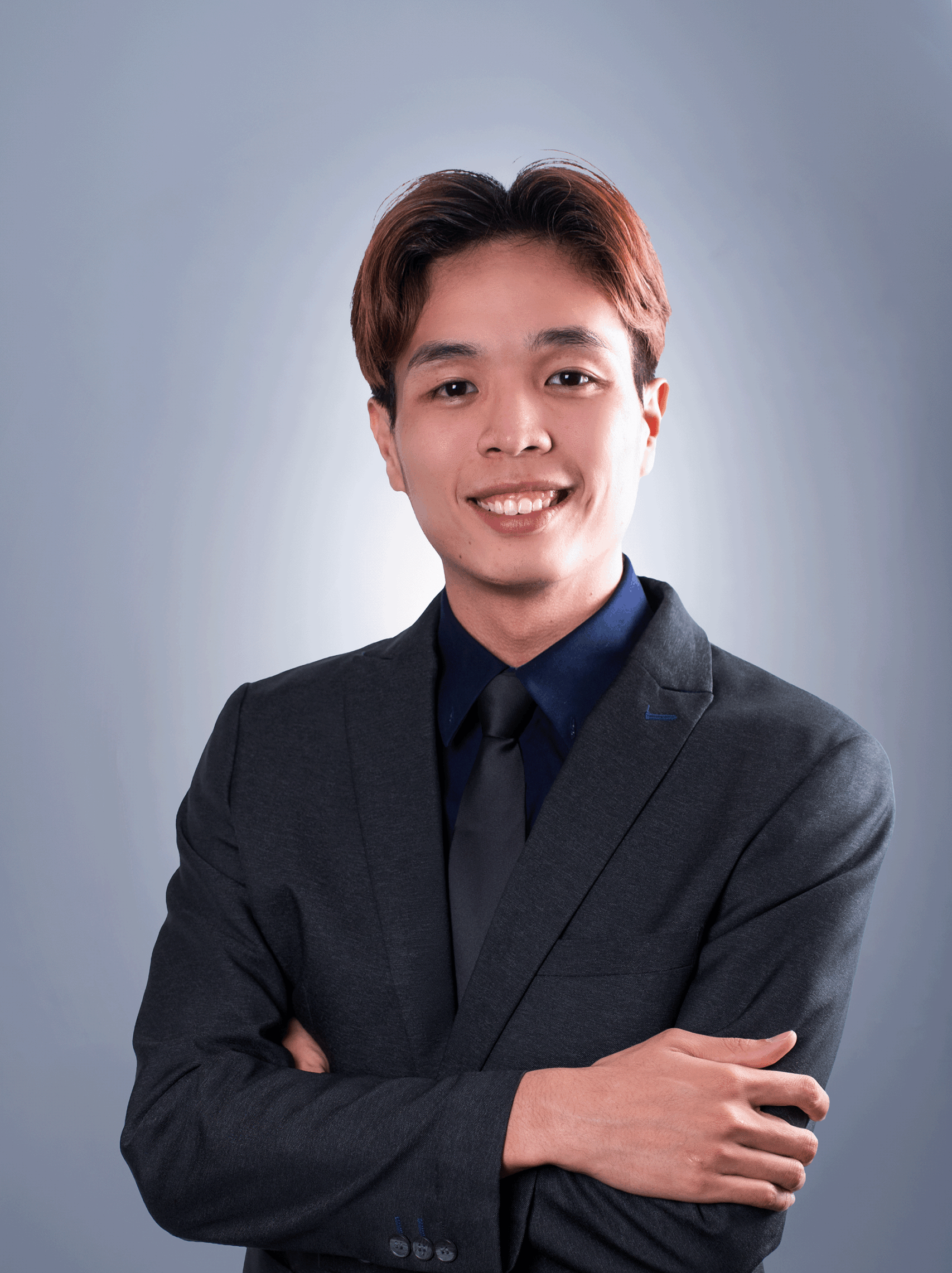
李颂恒先生
DSC Consulting
顾问
李颂恒先生毕业于信息安全专业,目前专注于制造业数字化与行业咨询,拥有丰富的企业系统应用与流程优化经验。
他秉持「系统不仅是工具,更重要的是如何有效应用」的理念,致力于协助企业将数字化系统真正落地于日常运营,通过梳理业务流程、优化管理机制及推动系统应用,帮助企业提升运营效率与管理效能。他的专业领域涵盖ERP系统实施、制造业流程分析、系统整合及业务流程优化,并专注于结合企业实际业务需求,提供切实可行的数字化解决方案,协助制造业企业迈向更高效、更智能的运营模式。
下载研讨会简报
获取 2027年财政预算案线上研讨会 的简报内容,掌握实用资讯与重点分析,为您的企业规划提供参考与支持。
常见问题
本活动适合企业主、创业者、CEO、CFO、高级管理层、财税专业人士及企业决策者,尤其适合希望掌握2027年财政预算案最新资讯、提升企业管理与风险应对能力,并探索未来增长机遇的人士。
报名截止日期为 2026年10月16日活动开始前。建议提前报名,以确保您的席位。
活动将在 马六甲中华总商会 举行。
地址:Wisma MCCCI, 564-566, Melaka Raya, 75000 Malacca.
如有任何活动相关咨询,欢迎通过以下方式联系我们:
WhatsApp:
Lee Wei Chan:+60 16-626 6667
诚国集团商务热线:+60 3-2935 9606
电邮:enquiry@chengco.com.my
Key Takeaways
Our Speakers
Lam Kwai Soon
Group Managing Director l Cheng & Co Group
CA(M), FCCA, ACTIM, CFP
Lam Kwai Soon is a seasoned tax professional with nearly two decades of experience at Cheng & Co Group. With extensive knowledge of the Malaysian taxation system, he advises businesses on complex tax and strategic matters.
His key areas of expertise include transfer pricing, corporate restructuring, tax incentives, mergers & acquisitions (M&A), tax audits and tax investigations.
A member of the Malaysian Institute of Accountants (MIA) and the Association of Chartered Certified Accountants (ACCA), he also holds an MBA and is a Certified Financial Planner.
Foo Jong Han
Manager of Consultancy Division l Cheng & Co Group
Foo Jong Han brings over 10 years of experience in risk management, internal audit and enterprise risk advisory, with exposure across banking, pharmaceuticals, energy and professional services.
His expertise includes enterprise risk management, regulatory compliance, internal controls and third-party governance. He has led cross-border audits and risk assessments across APAC, EMEA and the Americas, providing him with extensive international and cross-industry experience.
A graduate of the University of Canberra with a Bachelor of Commerce (Accounting), he brings a strong risk and governance perspective to helping businesses strengthen their foundations for sustainable growth and business readiness.
Download the Slides
Access the presentation slides from our Budget 2027 webinar for practical insights to support your business planning.
Frequently Asked Questions
This session is ideal for business owners, CEOs, CFOs, finance professionals, senior management, and corporate decision-makers seeking to understand the impact of Budget 2027, navigate key tax developments, and explore opportunities in ESG, green financing, and Pre-IPO growth.
Limited seats are available — secure your spot before registration on October 14, 2026.
The event is happening virtually on Zoom.
For any inquiries, feel free to reach out via:
WhatsApp: Cheng & Co Group Business Hotline (+60 3-2935 9606)
Email: enquiry@chengco.com.my
Malaysia e-Invoice Update September 2026:
What the RM3 Million Exemption Means for Your Business
A simpler guide to the latest e-Invoice exemption rules for Malaysian businesses
The Inland Revenue Board of Malaysia (IRBM) has issued an important update on e-Invoice, especially for Malaysian MSMEs.
Under the latest e-Invoice Guideline Version 4.8, dated 30 August 2026, together with the Frequently Asked Questions (FAQs) updated on 4 September 2026, taxpayers with annual turnover or revenue below RM3 million may qualify for an e-Invoice exemption.
For businesses that were previously preparing to start e-Invoice on 1 January or 1 July 2026, this update may change what they need to do.
The most important point: Having turnover below RM3 million does not automatically mean your business is exempt from e-Invoice.
You also need to look at who owns the business, whether it is part of a group, and whether it has related companies or joint ventures.
1. The RM3 Million Threshold
Under Section 1.6.1(e) of the latest e-Invoice Guideline, taxpayers with annual turnover or revenue of less than RM3 million are exempt from issuing e-Invoices, including self-billed e-Invoices, if they meet the required conditions.
This may apply to different types of taxpayers, including:
Sole proprietors | Partnerships | Companies | Cooperatives | Other eligible taxpayers
The threshold was previously RM1 million, so the change provides relief to more small and medium-sized businesses.
However, turnover is only the first thing to check.
Simple example:
A business with RM2.9 million in annual turnover is not automatically exempt. It still needs to check its ownership and group structure.
2. When a Business Below RM3 Million May Not Qualify
Section 1.6.10 of Version 4.8 sets out three situations where a taxpayer below RM3 million may still not qualify for the exemption.
A. A non-individual shareholder has turnover of at least RM3 million
For example, your company may only earn RM500,000 a year. However, if one of its shareholders is a company or another non-individual shareholder with annual turnover or revenue of at least RM3 million, your company will not qualify for the exemption.
In simple terms, you cannot look at your company’s revenue alone.
B. The business is a subsidiary of a larger holding company with turnover of at least RM3 million
A company may only earn RM400,000 revenue a year, but if it is a subsidiary of a holding company with annual turnover or revenue of at least RM3 million, the subsidiary will not qualify for the exemption.
IRBM gives an example of a small subsidiary that is still required to implement e-Invoice because its holding company meets the threshold.
What this means:
Saying “my company earns less than RM3 million” is not enough. You also need to check whether the company sits under a larger group.
C. The business has a related company or joint venture with turnover of at least RM3 million
The exemption also does not apply if the taxpayer has a related company or joint venture with annual turnover or revenue of at least RM3 million.
The Guideline refers to the definition of “related company” under Section 2 of the Promotion of Investments Act 1986.
So, when checking your e-Invoice position, look at the wider business structure:
Company → Shareholders → Holding Company → Related Companies → Joint Ventures
This is particularly important for family-owned groups, investment holding structures and businesses that operate through several companies.
3. What If You Already Started e-Invoice in 2026?
This is one of the most useful clarifications in the latest FAQ.
Suppose your business:
→ has revenue below RM3 million;
→ was previously scheduled to implement e-Invoice on 1 January or 1 July 2026; and
→ has already started issuing e-Invoices.
If your business now qualifies for the RM3 million exemption, it may stop issuing e-Invoices immediately.
You do not need to submit a separate application or get prior approval from IRBM to enjoy the exemption, as long as you meet the exemption requirements.
You may also choose to continue using e-Invoice voluntarily.
So you have a choice:
If you qualify for the exemption, you may stop e-Invoice or continue using it voluntarily.
4. What If You Did Not Implement e-Invoice Earlier?
Some businesses may have reached their original e-Invoice implementation date but did not start issuing e-Invoices.
The latest FAQ provides examples showing that if a taxpayer is now below RM3 million and meets all the exemption conditions, IRBM will not impose e-Invoice compliance action or penalties because the taxpayer is exempt.
This may provide relief to eligible MSMEs that had delayed implementation.
But take note:
This is not a general waiver for every business. You must first make sure that your business meets all the exemption conditions.
5. New Businesses Need to Keep an Eye on Their Revenue
The latest FAQ also explains how the exemption works for businesses that start operations from YA2026 onwards.
If a new business meets the exemption conditions and its first year’s annual turnover or revenue does not exceed RM3 million, it may qualify for the exemption.
However, once the business reaches or exceeds RM3 million, e-Invoice implementation will be required from 1 January in the second year after the Year of Assessment in which the RM3 million threshold was reached.
For example:
→ If the business reaches RM3.12 million in YA2026, it will need to implement e-Invoice from 1 January 2028.
→ If the business stays below RM3 million in YA2026 but reaches RM3.14 million in YA2027, it will need to implement e-Invoice from 1 January 2029.
The key point is that the exemption is not permanent. Businesses should check their revenue every year.
6. The Exemption Also Covers Self-Billed e-Invoices
The exemption for eligible taxpayers below RM3 million also covers self-billed e-Invoices.
This is useful to know because some businesses may think that they are exempt from issuing invoices to customers but still need to issue self-billed e-Invoices for certain transactions.
For taxpayers that qualify, the FAQ confirms that the exemption also applies to self-billed e-Invoice requirements.
7. Other e-Invoice Exemptions Still Apply
The RM3 million exemption is not the only exemption under the e-Invoice rules.
The latest Guideline also provides specific exemptions for certain persons and transactions, including, among others:
→ Foreign diplomatic offices
→ Individuals who are not conducting a business
→ Certain statutory bodies, statutory authorities and local authorities
→ Certain transactions involving international organisations
→ Employment income
→ Pensions
→ Alimony
→ Certain dividend distributions
→ Zakat
→ Certain securities and derivatives transactions
→ Certain disposals of shares
→ Specified donations or contributions
These are separate exemptions and should not be confused with the general RM3 million exemption for eligible MSMEs.
What Should Businesses Check Now?
The biggest takeaway is simple: do not stop at the RM3 million figure.
If your business is below RM3 million, management should still go through these five checks:
1. Check your annual turnover or revenue. Is it below RM3 million?
2. Check your shareholders. Do you have any non-individual shareholders with turnover or revenue of RM3 million or more?
3. Check your group structure. Are you a subsidiary of a holding company that meets the RM3 million threshold?
4. Check related companies and joint ventures. Is any related company or joint venture at or above RM3 million annual turnover or revenue?
5. Check your current e-Invoice status. If you already started e-Invoice but now qualify for the exemption, decide whether to stop or continue voluntarily.
Exempt Does Not Mean “Do Nothing”
Even if your business qualifies for the exemption, you should still keep proper invoices, receipts and accounting records.
You should also continue to monitor your annual revenue. A business that is exempt today may need to implement e-Invoice later if its revenue increases or its business structure changes.
Some businesses may also choose to continue using e-Invoice voluntarily because it can support better invoice management, more accurate data, automation and smoother integration with accounting systems.
IRBM continues to encourage eligible taxpayers to adopt e-Invoice voluntarily as part of Malaysia’s digitalisation initiative.
Final Thought
The latest IRBM update is good news for many Malaysian MSMEs, but the RM3 million figure should not be viewed on its own.
Do not read the rule as:
“Below RM3 million = no e-Invoice.”
A better way to understand it is:
“Below RM3 million + meeting the exemption conditions = potentially exempt.”
For business owners, the question is no longer just: “What is my company’s turnover?”
You should also ask: “Who owns my company? Is it part of a group? What other companies is it connected to, and what is their turnover?”
That is where a proper e-Invoice exemption assessment begins.
Malaysia’s e-Invoice requirements continue to evolve. Businesses should keep up with IRBM updates, review their structure regularly and make sure their accounting and operational processes remain aligned with the latest requirements.
Source Note
This article is based on the IRBM e-Invoice Guideline Version 4.8 dated 30 August 2026
https://www.hasil.gov.my/wp-content/uploads/IRBM-e-Invoice-Guideline.pdf
IRBM e-Invoice Frequently Asked Questions (FAQs) updated on 4 September 2026
https://www.hasil.gov.my/wp-content/uploads/lhdnm-e-invoice-general-faqs.pdf
Note: This write-up is intended for general information only. Businesses should refer to the latest official IRBM guidance and seek professional advice where necessary.

Our Experts
Michele Lim Seet Ye
Assistant Director of
Global Business Services,
Cheng & Co Group
PERKESO LINDUNG 24 JAM
A Simple Guide For Employers
Picture this: one of your employees falls off a ladder at home on a Sunday, or gets into a road accident on the way to a family dinner. Is your company on the hook? And does PERKESO already have that covered?
That’s exactly the gap LINDUNG 24 JAM is designed to fill — and from July 2026, the rules around it changed. This guide explains what it is, who needs to act, and what you as an employer need to do now.
The one thing to remember
LINDUNG 24 JAM is NOT a workplace-accident scheme. It only covers eligible personal accidents in Malaysia that happen outside work. Accidents that happen while working, doing work duties, or on a recognised work journey are covered separately, under PERKESO’s Employment Injury Scheme (LINDUNG PEKERJA).
At a glance
What it covers
Eligible personal accidents in Malaysia that happen outside work — not workplace accidents.
What it doesn’t cover
Any accident that happens while working, doing work duties, or on a recognised work journey. Those fall under a separate scheme, the Employment Injury Scheme.
Local workers
Taking part is voluntary from 8 July 2026.
Foreign workers
Taking part is still compulsory — no change.
Existing local workers
Anyone who doesn’t want to join must opt out between 13 July and 31 August 2026.
No opt-out submitted?
The worker is automatically treated as a participant.
New local workers
30 days from their PERKESO registration date to opt out.
June 2026 contribution
Was compulsory for everyone and is not refundable — even if a worker opts out later.
Who pays
The employee bears the cost; the employer deducts it from salary and pays PERKESO.
What exactly is LINDUNG 24 JAM?
PERKESO — the Social Security Organisation of Malaysia — runs LINDUNG 24 JAM as its Non-Employment Injury Scheme. It exists to fill a protection gap: accidents that have nothing to do with an employee’s job.
The rule of thumb is simple:
Work-related accident → Employment Injury Scheme (LINDUNG PEKERJA)
Non-work-related personal accident → LINDUNG 24 JAM, subject to PERKESO’s conditions
Accidents that may be covered include:
→ A fall or accident at home
→ A personal road accident that isn’t part of a work-related journey
→ An accident while exercising, playing sports, or during recreation
→ An accident while shopping or during personal errands
→ An accident during personal travel within Malaysia
Every claim still has to pass PERKESO’s own assessment and eligibility rules — being technically “non-work-related” doesn’t guarantee a payout.
What’s not covered:
→ Accidents while working or carrying out work duties
→ Recognised work-related commuting accidents
→ Accidents that happen outside Malaysia
→ Illnesses or medical conditions not caused by an accident
→ Fraudulent, staged, criminal, or self-inflicted accidents
If a claim is accepted, an eligible employee may receive:
→ Medical treatment
→ Benefits for permanent disability
→ An allowance if the employee needs constant personal care
→ Physical or vocational rehabilitation
→ Benefits for eligible dependants if the employee dies as a result of the accident
→ Funeral expenses and education benefits, where applicable
What changed on 8 July 2026?
The scheme launched on 1 June 2026 as compulsory protection for both local and foreign workers covered under the Employees’ Social Security Act 1969 (Act 4). Weeks later, the Cabinet revised the rule for local workers only:
Local workers: participation is now voluntary, effective 8 July 2026.
Foreign workers: participation remains compulsory — nothing changes for them.
How does opting out actually work?
Only local workers who don’t want to participate need to do anything. They can opt out through:
→ Portal LINDUNG Faedah
→ PERKESO’s 1Best system, at a PERKESO office
→ A Liability Release Notice, if the online system is unavailable
Timing matters here:
→ Existing local workers must opt out between 13 July and 31 August 2026.
→ Newly registered local workers have 30 days from their registration date to opt out.
→ Miss the window, and the worker is automatically treated as a participant — no separate confirmation is needed.
Good to know
Per PERKESO’s latest FAQ, once a worker chooses to stay in the scheme, they must keep contributing for as long as coverage applies — they can’t opt out partway through later.
The June 2026 contribution — one detail worth getting right
Before the Cabinet’s 8 July 2026 decision, the June 2026 contribution was compulsory by law for everyone covered. That has one practical consequence for payroll: it is not refundable, whether or not a local worker later opts out. If it hasn’t been paid yet, the employer is still responsible for deducting and remitting it — including for workers who later choose to leave the scheme.
How much does it cost?
The employee bears the full cost, but the employer is responsible for deducting it from salary and paying PERKESO on the employee’s behalf.
For the first phase — 1 June 2026 to 31 May 2028 — the contribution follows PERKESO’s schedule at 0.75% of monthly wages, capped at the current wage ceiling of RM6,000.
What employers need to do now
1. Explain the coverage correctly
Make clear that LINDUNG 24 JAM covers non-work-related personal accidents — not workplace accidents.
2. Inform local workers of their choice
Walk them through the benefits, the deduction, and the opt-out channels and deadlines. Avoid implying the scheme covers every type of accident.
3. Track opt-outs properly
Keep records of existing local workers who opt out by 31 August 2026, and new local workers who opt out within 30 days of registration.
4. Settle the June 2026 contribution
Make sure it’s paid — remember, it’s compulsory and non-refundable regardless of later opt-outs.
5. Keep deducting for covered workers
Continue deductions and remittance for all foreign workers, and for any local worker who chooses to participate.
6. Update payroll and employee records
Check contribution codes, employee status, deduction amounts, and internal materials against the latest PERKESO guidance.
Why the payroll details matter
A wrong employee status or deduction amount can cascade into incorrect payroll, employee complaints, late statutory payments, and extra correction work down the line. It’s worth updating your payroll process now, while the rules are fresh, rather than fixing it retroactively.
How payroll outsourcing can help
Payroll today is more than salary calculations — it also means getting statutory deductions right, submitting on time, keeping employee records current, and adapting quickly whenever regulations shift, as they just did here.
Our Payroll Outsourcing team can support payroll processing, EPF, PERKESO, EIS and PCB (monthly tax deduction) calculations, statutory submissions, payroll system updates, employee reporting, and ongoing compliance support.
Key takeaway
LINDUNG 24 JAM protects against eligible non-work-related accidents. Workplace and work-related accidents remain covered under the separate Employment Injury Scheme. Local workers may opt out within the allowed window; foreign workers must stay in. Either way, employers stay responsible for getting the deductions and payments to PERKESO right.
This article is a general guide based on PERKESO’s official FAQ V2.0, dated 16 July 2026. Coverage, contributions, and claims remain subject to the applicable law, PERKESO’s official contribution schedule, and PERKESO’s own assessment.
Need help with payroll processing or statutory compliance? Our Payroll Outsourcing team can help your organisation manage these obligations while your team focuses on the business.
Source Note
http://lindungfaedah.perkeso.gov.my/
PERKESO LINDUNG 24 JAM | Checked against PERKESO FAQ V2.0 (16 July 2026)
Our Experts
Michele Lim Seet Ye
Assistant Director of
Global Business Services,
Cheng & Co Group
Key Takeaways
Our Speaker
Tan Yi Shin
CFP, CC Advisory Sdn Bhd
Tan Yi Shin, Head of Sales for the Financial Planning Division. She is joined Cheng & Co Group since June 2018 and been servicing under wealth management division for 7 years. She graduated from Bsc (Hons) Accounting & Finance.
She is also licensed holder of Certified Financial Planner (CFP) by FPAM, Authorized Unit Trust Consultant (UTC) & Private Retirement Scheme Consultant (PRC) by FIMM, Capital Market Service Representative License (CMSRL) by Securities Commission Malaysia (SC) and Approved Financial Adviser Representative (FAR) by Bank Negara Malaysia (BNM).
She specializes in corporate advisory & investment on wealth management services, which includes customized investment planning, corporate cash management solution, corporate private retirement scheme, business risk insurance and business succession planning.
The Registration Is Closed
Discover how businesses can optimize surplus cash with a smarter, more tax-efficient cash management solutions.
Frequently Asked Questions
This webinar is ideal for SME owners, CEOs, CFOs, finance professionals, and corporate decision-makers seeking practical strategies to optimise surplus cash, reduce tax leakage, and strengthen their company’s financial performance.
Limited seats are available — secure your spot before registration on July 7, 2026.
The event is happening virtually on Zoom.
For any inquiries, feel free to reach out via:
WhatsApp:
Yi Shin (+6 017-704 0880)
Cheng & Co Group Business Hotline (+60 3-2935 9606)
Email: enquiry@chengco.com.my